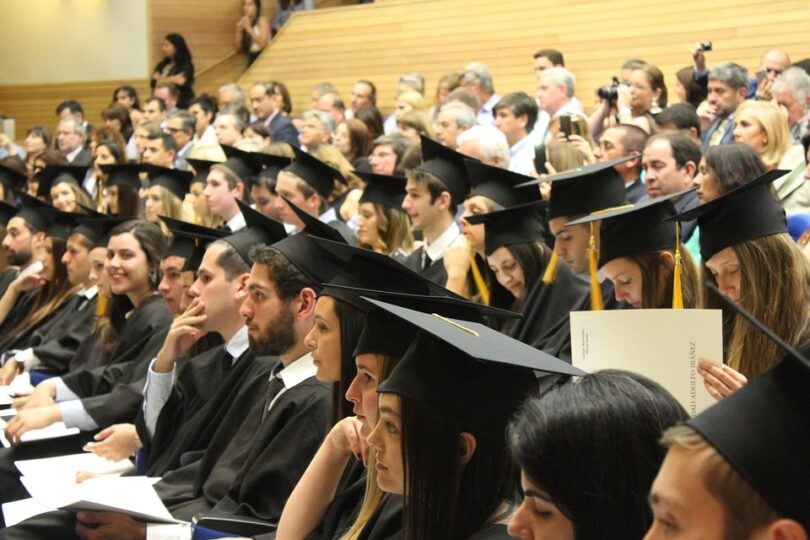

In 2025, Germany plans to provide many overseas students with fully financed scholarships that include living expenses, tuition, and even travel fees.
If you’re wondering how to apply for fully funded scholarships in Germany as an international student, this guide will walk you through the process step by step. Let’s get in!
Step 1: How can you secure a fully funded scholarship in Germany for 2025?
1. DAAD Scholarships
In Germany, the largest source of scholarships for foreign students is the German Academic Exchange Service (DAAD). It gives fully funded scholarships for undergraduate, master’s, and PhD programs, covering tuition fees, living costs, travel, and insurance.
Eligibility: Varies by program but generally requires a strong academic record and proof of language proficiency (English or German).
How to Apply: Visit the DAAD scholarship database, select your country, and find suitable programs.
2. Erasmus+ Scholarships
Erasmus+ is a European Union program offering scholarships for international students to study in Germany and other EU countries. It supports master’s and PhD students with full funding.
Eligibility: Open to students worldwide, with a focus on specific fields like science, technology, and social sciences.
How to Apply: Apply through the Erasmus+ website or partner universities.
3. Heinrich Böll Foundation Scholarships
Fully financed scholarships are offered by this foundation to overseas students who are dedicated to social and environmental causes.
Eligibility: Requires a good academic record and a commitment to the foundation’s values.
How to Apply: Submit an online application with academic records and a motivation letter.
4. University-Specific Scholarships
Many German universities, like Humboldt University, LMU Munich, and the University of Heidelberg, offer their own fully funded scholarships for international students.
Eligibility: Varies by university and program.
How to Apply: For information on scholarships and deadlines, see the university’s official portal.
Tip: Use keywords like “fully funded scholarships in Germany 2025” or “Germany scholarships for international students” to search for more options online.
Step 2: Check Eligibility Requirements
Each scholarship has specific eligibility criteria. Common requirements include:
Outstanding Academic Performance: Maintaining a high GPA or its equivalent.
Language Proficiency: Proof of English (TOEFL/IELTS) or German (TestDaF/Goethe-Zertifikat) proficiency, depending on the program.
Motivation Letter: A compelling letter explaining why you deserve the scholarship.
Recommendation Letters: Usually 1-2 letters from professors or employers.
Work or Research Experience: Relevant for master’s and PhD scholarships.
Carefully review the scholarship’s official website to ensure you meet all requirements before applying.
Step 3: Prepare Your Documents
Start early to avoid last-minute stress. Common documents include:
Academic Transcripts: Certified copies of your high school or university grades.
Degree Certificates: Proof of your previous qualifications.
CV/Resume: A clear, updated CV highlighting your academic and professional achievements.
Motivation Letter: A 1-2 page letter explaining your goals, why you chose Germany, and how the scholarship will help you.
Letters of recommendation: These are letters from instructors or employers attesting to your skills.
Language Certificates: TOEFL, IELTS, or German language test results.
Passport Copy: A valid passport for identification.
Portfolio (if applicable): Required for fields like art, design, or architecture.
Pro Tip: Translate documents into English or German if required, and have them certified by a recognized authority.
Step 4: Write a Strong Motivation Letter
Your motivation letter is crucial for standing out. Here’s how to write one that impresses scholarship committees:
Be Specific: Mention the scholarship and program you’re applying for.
Explain Your Goals: Share your academic and career aspirations and how studying in Germany aligns with them.
Emphasize Accomplishments: Highlight your successes in school, the workplace, or voluntary work.
Show Passion: Express your enthusiasm for studying in Germany and contributing to its academic community.
Keep It Concise: Aim for 500-800 words, following the scholarship’s guidelines.
Step 5: Apply to German Universities
You need to be admitted into a German institution before you can apply for most scholarships. Here’s how:
Choose a Program: Find a course that matches your interests and scholarship eligibility. Use platforms like Study in Germany or university websites.
Check Deadlines: Check university websites for deadlines.
Submit Applications: Apply through the university’s online portal or via Uni-Assist, a platform for international student applications.
Pay Application Fees: Some universities charge a small fee (around €75).
You can apply for the scholarship as soon as you are offered admission.
Step 6: Submit Your Scholarship Application
Conclusion
Applying for fully funded scholarships in Germany as an international student in 2025 is a fantastic opportunity to study in one of the world’s best education systems. By researching scholarships, preparing strong documents, and submitting applications on time, you can increase your chances of success.