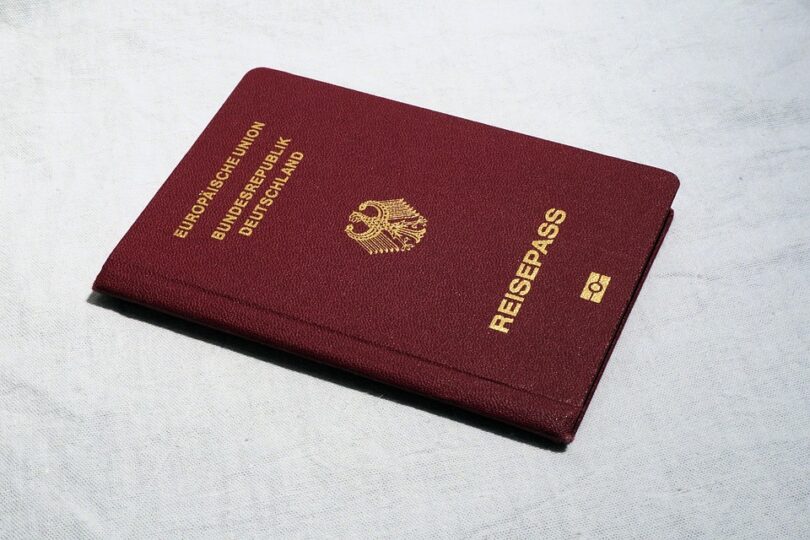

Thinking about moving to Germany for good? You’re not alone. Germany is one of the most popular countries in Europe for people who want a better life. With a strong economy, high-quality healthcare, excellent education, and beautiful cities, it’s easy to see why so many people want to relocate.
But what’s the easiest way to relocate to Germany permanently? In this guide, we’ll explain simple and legal ways to make your dream come true.
Why Choose Germany?
Before we dive into the easiest way to move permanently, let’s look at why Germany is such an attractive place to live.
Strong economy: Germany has one of the biggest economies in the world, full of job opportunities in many fields.
Great healthcare system: Medical care is top-notch and affordable.
Excellent education: Public schools and universities are often free or low-cost.
Safe and clean: Germany is safe, with clean cities and a good public transport system.
Rich culture and history: You’ll never get bored with the museums, festivals, and traditions.
Easiest Way to Relocate to Germany Permanently
Now, let’s get to the point — what is the easiest way to relocate to Germany permanently? While there are different paths, the easiest one depends on your background. Below are the main routes that people take, ranked by simplicity and success rate.
1. Apply for a Job Seeker Visa
One of the easiest ways to move to Germany is through a Job Seeker Visa. This visa permits you to go to Germany and seek employment for a permitted duration of six months.
Requirements:
A university degree or equivalent qualification
Proof of enough money to support yourself
Health insurance
Why it’s easy:
No job offer is needed in advance
Once you find a job, you can switch to a work visa or EU Blue Card, which can eventually lead to permanent residency.
2. Find Employment and Submit a Work Visa Application
If you already have a job offer in Germany, this is one of the simplest ways to move permanently. Your employer usually helps with the paperwork.
Popular job fields:
IT and software development
Engineering
Healthcare (especially nurses and doctors)
Skilled trades
Steps:
1. Get a job offer
2. Application for a work visa or EU Blue Card must be submitted.
3. Submit an application for permanent residency after a few years of employment.
3. Apply for the EU Blue Card
When it comes to skilled workers from non-EU nations, the EU Blue Card is like a golden ticket to Europe. It facilitates living and working in Germany.
Requirements:
A university degree
A job offer with a salary above a certain level (usually €43,800 or €39,682 for shortage occupations in 2025)
Why it’s easy:
Fast track to permanent residency (in as little as 33 months, or 21 months if you know German well)
Freedom to bring your family with fewer barriers
4. Move for Education and Stay After Graduation
If you’re a student, studying in Germany can be your easiest ticket to long-term residence.
Benefits:
Free or inexpensive tuition at public colleges
Student visa allows part-time work
18 months to get a job after completing a study visa
Once you get a job, you can stay on a work visa and later apply for permanent residency.
5. Family Reunion Visa
If you have a family member (spouse, child, or parent) living legally in Germany, you may be able to join them.
Requirements:
Proof of family relationship
Basic German language skills (A1 level)
Health insurance
Why it’s easy:
Support from family helps the process
Often leads to permanent residency within a few years
6. Self-Employment or Freelancer Visa
Are you a freelancer, artist, or entrepreneur? Germany welcomes self-employed professionals.
Requirements:
A solid business plan
Proof that your business will benefit the German economy
Health insurance
Enough funds to support yourself
Freelancers in fields like tech, design, art, and writing find this a great way to move and stay in Germany.
7. Permanent Residency After a Few Years
No matter which visa you choose, most allow you to apply for permanent residency after a few years of living in Germany.
How long it takes:
33 months are allotted to EU Blue Card holders (or 21 months for B1-level German).
5 years with other residence permits.
3 years if the spouse is a citizen of Germany.
Permanent residency gives you more rights, and after 8 years, you may qualify for German citizenship.
Key Tips for a Smooth Relocation
To make your relocation process easier, here are some helpful tips:
1. Learn German: While many Germans speak English, knowing the language makes daily life easier and speeds up your paperwork.
2. Get your documents in order: Make sure your passport, certificates, and references are ready and translated into German if needed.
3. Have enough savings: Visa applications often require proof that you can support yourself.
4. Use official websites: Always check the German government websites or consulate pages for accurate and up-to-date info.
5. Stay organized: Keep copies of all your applications, emails, and appointments. German bureaucracy values details.
Final Thoughts
So, what is the easiest way to relocate to Germany permanently? There’s no one-size-fits-all answer, but getting a job (or a job-seeker visa) is often the smoothest path. If you’re a student, entrepreneur, or have family in Germany, those routes can be just as effective. The key is choosing the path that fits your background best, planning ahead, and staying patient.
Easy Ways To Relocate To Countries With Low Cost Of Living And High Quality Of Life