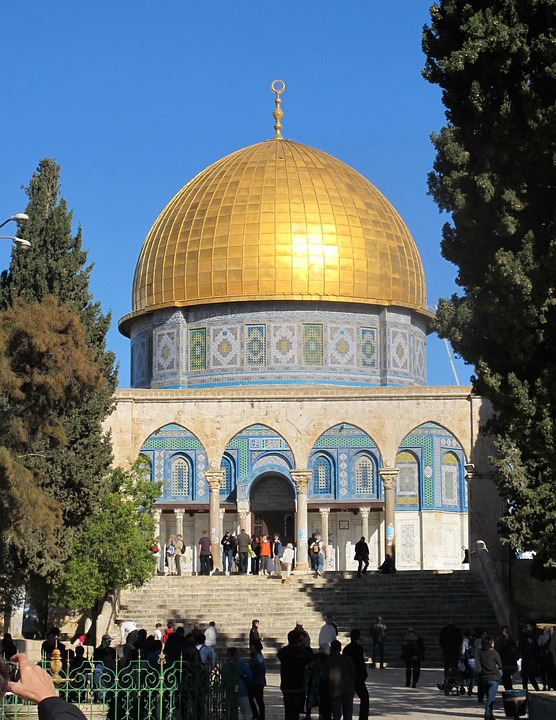

Moving to Israel as an African Christian is a dream for many who feel a deep spiritual connection to the Holy Land or seek new opportunities in a vibrant, diverse country.
Israel, known for its rich history, religious significance, and modern economy, welcomes people from various backgrounds, though the process can be complex for those who don’t qualify under the Law of Return, which primarily applies to Jews and their descendants.
As an African Christian, you’ll need to navigate specific immigration pathways, understand visa options, and prepare for life in a culturally unique nation.
This detailed, guide will walk you through everything you need to know about how to move to Israel as an African Christian, from legal requirements to practical tips for settling in.
Why Move to Israel as an African Christian?
Israel holds a special place in the hearts of Christians worldwide due to its biblical significance. Cities like Jerusalem, Nazareth, and Bethlehem are home to sacred sites such as the Church of the Holy Sepulchre and the Mount of Olives.
For African Christians, moving to Israel might also represent a chance to live in a country that values religious freedom while offering economic opportunities in fields like technology, agriculture, and education.
Beyond spirituality, Israel’s growing Christian community—estimated at over 180,000 people—includes diverse groups, such as Arab Christians and expatriates from Africa, Europe, and beyond. While the country is predominantly Jewish, its democratic framework ensures freedom of worship, making it an attractive destination for African Christians seeking a new home.
Understanding Israel’s Immigration System
Israel’s immigration policies are unique. The Law of Return (1950) grants automatic citizenship to Jews, their children, grandchildren, and spouses, but as an African Christian without Jewish ancestry, this pathway won’t apply to you. Instead, you’ll need to explore alternative visa options or long-term residency routes. The Israeli Ministry of Interior oversees immigration, and non-Jews typically face stricter requirements. Here’s how you can approach the process:
Step 1: Determine Your Eligibility
As an African Christian, you won’t qualify for Aliyah (Jewish immigration), so your options include:
Work Visa (B/1 Visa): Secure a job offer from an Israeli employer willing to sponsor you.
Student Visa (A/2 Visa): Enroll in an accredited Israeli institution, such as a university or theological school.
Volunteer Visa: Join a recognized volunteer program, often linked to Christian organizations or kibbutzim (communal farms).
Clergy Visa (A/3 Visa): If you’re a Christian minister or missionary, your religious organization may sponsor your move.
Family Reunification: If you have immediate family (spouse, parent, or child) who are Israeli citizens, you may apply for residency.
Naturalization: Live in Israel legally for at least three years as a permanent resident, then apply for citizenship (requires Hebrew proficiency).
For most African Christians, the work, student, or volunteer visa will be the most accessible starting point.
Step 2: Research Visa Requirements
Each visa type has specific requirements. Here’s a breakdown:
Work Visa (B/1):
Obtain a job offer from an Israeli company.
Your employer must apply for a work permit through the Population and Immigration Authority.
Required documents: passport, birth certificate, employment contract, and proof of qualifications.
Processing time: 1–3 months.
Student Visa (A/2):
Apply to an Israeli university or seminary (e.g., Hebrew University or theological programs in Jerusalem).
Receive an acceptance letter.
Submit your passport, acceptance letter, proof of funds, and health insurance to the Israeli embassy in your country.
Valid for one year, renewable with continued studies.
Volunteer Visa:
Partner with organizations like Bridges for Peace or a kibbutz accepting international volunteers.
Provide a letter of invitation, passport, and health clearance.
Typically valid for 3–12 months.
Clergy Visa (A/3):
Your church or religious organization must be recognized by Israel’s Ministry of Interior.
Submit ordination certificates, a letter from your organization, and proof of financial support.
Contact the Israeli embassy or consulate in your African country (e.g., Nigeria, Kenya, Ghana, or South Africa) for detailed forms and fees.
Step 3: Gather Necessary Documents
Prepare the following:
Valid passport (at least six months validity).
Birth certificate.
Certificate of police clearance (to verify no criminal record).
Health certificate (some visas require medical exams).
Evidence of sound financial standing (bank statements or letters of sponsorship).
Two passport-sized photos.
Apostille or authenticate documents if required by your local authorities or the embassy.
Step 4: Apply Through the Israeli Embassy
Submit your application at the nearest Israeli embassy. For example:
Nigeria: Embassy in Abuja.
Kenya: Embassy in Nairobi.
Ghana: Consulate in Accra.
Expect an interview where you’ll explain your reasons for moving. Be honest—whether it’s work, study, or spiritual calling, clarity strengthens your case.
Step 5: Arrive in Israel and Register
Once your visa is approved, book your flight to Ben Gurion Airport in Tel Aviv. Upon arrival:
Register with the local municipality within 30 days.
Obtain a Teudat Zehut (ID card) if on a long-term visa.
Open a bank account and get a local SIM card (e.g., Partner, Cellcom).
Practical Tips for African Christians Moving to Israel
Housing
Housing costs vary by city:
Jerusalem: Expensive (1,500–2,500 USD/month for a one-bedroom).
Tel Aviv: High-end (1,800–3,000 USD/month).
Nazareth or Haifa: More affordable (800–1,500 USD/month), with larger Christian communities.
Start with short-term rentals on sites like Yad2 or Airbnb, then seek long-term leases once settled.
Learning Hebrew
While English is widely spoken, learning Hebrew enhances integration. Enroll in an Ulpan, a government-subsidized Hebrew course for immigrants. Basic phrases like “Shalom” (hello) and “Todah” (thank you) go a long way initially.
Connecting with Christian Communities
Israel has thriving Christian communities where African expats can find support:
Jerusalem: Attend services at Dominus Flevit Church or Christ Church.
Nazareth: Join the Basilica of the Annunciation congregation.
Haifa: Connect with the Stella Maris Monastery community.
Look for African Christian fellowships, especially in cities with expatriate populations like Tel Aviv.
Employment Opportunities
If you’re not arriving with a job, target sectors open to foreigners:
Teaching English (requires TEFL certification).
Agriculture (seasonal work on kibbutzim).
Caregiving (high demand for elderly care workers).
Networking through LinkedIn or local expat groups can uncover opportunities.
Challenges You Might Face
Cultural Adjustment
Israel’s fast-paced, direct culture may differ from many African norms. Embrace the bluntness—it’s not personal! You’ll also encounter a mix of Jewish, Muslim, and Christian traditions, requiring openness and adaptability.
Immigration Hurdles
Non-Jewish immigrants often face delays or additional scrutiny. Patience and legal assistance (e.g., from an immigration lawyer) can help.
Cost of Living
Israel is expensive, especially in urban areas. Budget carefully, prioritizing rent, food (kosher options can be pricier), and transportation (buses and trains are affordable).
Long-Term Residency and Citizenship
After living legally in Israel for three years with permanent residency (e.g., through a work visa extension), you can apply for citizenship via naturalization. Requirements include:
Hebrew proficiency (conversational level).
Proof of integration (e.g., employment, community ties).
Renunciation of prior citizenship (unless your country allows dual citizenship, like Nigeria or Kenya).
Unlike Jewish immigrants, non-Jews must navigate this longer path, but it’s achievable with persistence.
Why Israel is Worth It for African Christians
Israel offers a unique blend of spiritual fulfillment and modern living. As an African Christian, you’ll walk where Jesus walked, join a growing multicultural Christian community, and experience a nation that balances ancient faith with innovation. From the Sea of Galilee to the bustling streets of Tel Aviv, Israel promises a transformative journey.
Final Thoughts
Moving to Israel as an African Christian requires planning, patience, and a clear purpose—whether it’s faith, education, or work driving you. Begin by researching your visa options, contacting the Israeli embassy, and connecting with expats who’ve made the move. The Holy Land awaits, ready to welcome you into its rich tapestry of history and hope.