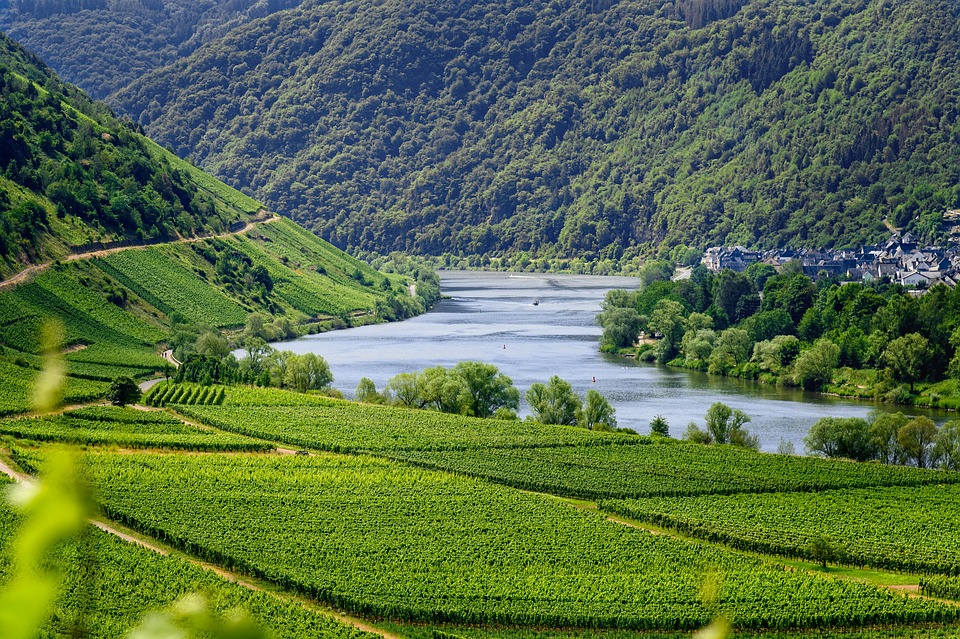

Eco-tourism is more than just a trend; it’s a movement towards responsible travel that seeks to protect the environment while also supporting local communities. As Eco-tourism continues to grow, understanding the visa requirements for various destinations becomes essential for travelers. In this comprehensive guide, we’ll explore everything Eco-tourism travelers need to know about visas, ensuring your green adventures are hassle-free and enriching.
Understanding Eco-Tourism
What is Eco-Tourism?
Eco-tourism is a type of environmentally conscious travel that prioritizes protecting natural places and enhancing the quality of life for local residents. It allows travelers to immerse themselves in nature, support conservation efforts, and experience the local culture authentically.
Why Eco-Tourism Matters
Eco-tourism helps in preserving natural habitats, protecting endangered species, and promoting sustainable practices. By choosing eco-friendly destinations, travelers can contribute to environmental protection while enjoying unique experiences.
The Importance of Visa Knowledge for Eco-Tourists
Why You Need a Visa
Visa requirements vary from country to country and are crucial for ensuring that travelers can enter their chosen destinations legally. Understanding these requirements will save you from unexpected hassles, ensuring your eco-adventure is smooth and enjoyable.
Types of Visas for Eco-Tourism Travelers
There are different types of visas you might encounter while planning your eco-tourism trip. Here are some typical ones:
Tourist Visa: This is the most common type of visa for travelers looking to explore a new country. Tourist visas usually allow you to engage in leisure activities, including eco-tourism.
E-Visa: Many countries now offer electronic visas, making the application process quicker and more accessible. These can be obtained online and are often cheaper than traditional visas.
Visa on Arrival: Some countries provide visas on arrival for certain nationalities. However, it’s essential to check the specific requirements, as conditions can vary widely.
Preparing for Your Eco-Tourism Visa Application
Researching Destination Requirements
Each country has its unique visa policies. It’s crucial to research the visa requirements of your intended eco-tourism destination. Websites of embassies or consulates often have the most accurate and up-to-date information.
Gathering Necessary Documents
Depending on the type of visa you need, you’ll likely require various documents, such as:
A passport that is currently valid and has at least six months left before it expires.
Completed visa application forms.
Recent passport-sized photographs.
Evidence of travel plans, such as flight schedules and hotel reservations.
Financial records attesting to your capacity to sustain oneself while visiting.
Understanding Visa Fees and Processing Times
The country and kind of visa can have a significant impact on the cost. Setting aside money in advance for these expenses is a smart idea. Additionally, processing times can range from a few days to several weeks, so apply well in advance of your travel date.
Tips for a Smooth Visa Application Process
Double-Check Your Application
Make sure to carefully check all the information before submitting your visa application. Setbacks or rejections may result from errors or insufficient information.
Seek Professional Help If Needed
Seek advice from a travel agency or visa service if you feel overwhelmed by the visa application procedure. They can assist you in navigating the criteria and avoiding typical obstacles.
Stay Informed About Travel Restrictions
Due to unforeseen circumstances, travel restrictions can change rapidly. Always stay updated on current restrictions, especially related to health and safety.
Navigating the Visa Process for Popular Eco-Tourism Destinations
1. Costa Rica: A Leader in Eco-Tourism
Rich biodiversity and verdant rainforests are Costa Rica’s most well-known features. Here’s what you need to know about visas for this eco-tourism hotspot:
Visa Requirements: For visits of up to 90 days, citizens of several nations are permitted entry into Costa Rica without a visa.
Eco-Tourism Opportunities: From hiking in Arenal Volcano National Park to birdwatching in Monteverde, Costa Rica offers abundant eco-friendly activities.
2. New Zealand: Nature’s Playground
New Zealand is well known for its breathtaking scenery and dedication to conserving the environment.
Visa Requirements: Most travelers require a visitor visa, which allows stays of up to 9 months. Some nationalities can apply for an e-Visa online, streamlining the process.
Eco-Tourism Opportunities: Explore the stunning Fiordland National Park or participate in conservation projects that help protect native species.
3. Thailand: Balancing Culture and Nature
Thailand offers a blend of rich culture and breathtaking natural beauty, making it an excellent eco-tourism destination.
Visa Requirements: Many tourists can enter Thailand visa-free for short stays. For longer visits, a tourist visa may be necessary.
Eco-Tourism Opportunities: Engage in community-based tourism, such as visiting elephant sanctuaries that prioritize animal welfare.
Eco-Tourism and Visa-Free Travel
Countries Offering Visa-Free Access for Eco-Tourism
Several countries promote eco-tourism while allowing visa-free travel for specific nationalities. Here are a few:
Honduras: Known for its environmentally conscious resorts, Honduras permits visa-free stays of up to 90 days for visitors from a wide range of nations.
Peru: Most nationalities can visit the Amazon jungle and the Andes mountains for up to 183 days without a visa.
Advantages of Visa-Free Travel for Eco-Tourists
Visa-free access simplifies travel planning and allows you to focus on your eco-tourism experience. With less paperwork, you can spend more time exploring and less time worrying about visa logistics.
Common Visa Challenges for Eco-Tourism Travelers
Unexpected Denials
Sometimes, visa applications can be denied due to various reasons, such as insufficient documentation or inconsistencies in your application.
Changing Regulations
Visa requirements can change, especially in light of global events. Always gather the most recent details before to applying.
Limited Access to Certain Areas
Some eco-tourism sites may require special permits or visas to access, particularly protected areas. Research these requirements ahead of time to avoid disappointments.
Eco-Tourism and Responsible Travel
Visas’ Contribution to Encouraging Responsible Travel
Understanding and adhering to visa requirements reflects a traveler’s respect for local laws and cultures. Sustainable tourism activities that benefit local people and the environment are facilitated by responsible travelers.
Encouraging Sustainable Practices While Traveling
In addition to obtaining the right visa, eco-tourists can promote sustainability by choosing eco-friendly accommodations, participating in local conservation efforts, and minimizing their environmental footprint.
Conclusion
Navigating the visa landscape for eco-tourism can seem daunting, but with the right knowledge and preparation, it can be a straightforward process. By understanding visa requirements, preparing your application meticulously, and staying informed about changes, you can focus on what truly matters—immersing yourself in the beauty of nature while supporting sustainable practices. So, pack your bags and get ready to embark on an eco-adventure that respects both the planet and its people.
FAQs
1. Do I need a visa for eco-tourism destinations?
Visa requirements vary by country and your nationality. Before departing, always confirm the precise entrance criteria for the place you are visiting.
2. How can I find the latest visa information?
The best source for up-to-date visa information is the official website of the country’s embassy or consulate.
3. What legal documents are required to submit a visa application?
Commonly required documents include a valid passport, visa application forms, photographs, and proof of travel arrangements.
4. Can I apply for a visa online?
Many countries offer e-Visas that can be applied for online. Consider the destination’s unique criteria.
5. How do I move forward if my application for a visa is rejected?
If your visa application is denied, review the reasons for denial and gather additional documentation if necessary. Reapplying or appealing a rejection can be an option for you.