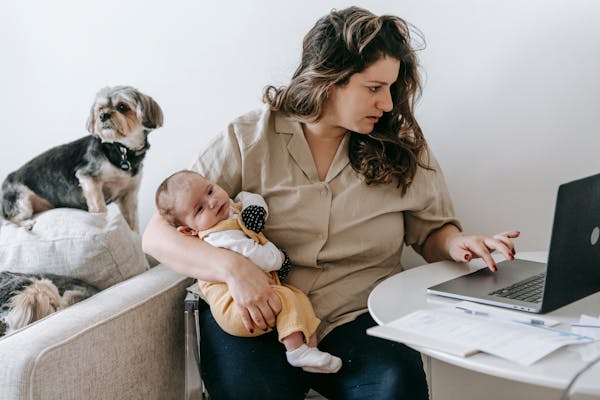

Being a stay-at-home parent doesn’t mean giving up on a fulfilling career. In fact, remote work has opened up many opportunities that allow parents to balance their family responsibilities while earning an income. Bookkeeping is a fantastic option for stay-at-home parents, offering flexibility, decent pay, and the chance to work from the comfort of home. If you’re organized, detail-oriented, and good with numbers, this might just be the ideal role for you.
In this guide, we’ll dive into everything you need to know about becoming a bookkeeper as a stay-at-home parent. From understanding the basics of bookkeeping to learning the skills required and exploring job options, we’ll cover it all. Let’s get started!
What is Bookkeeping?
The practice of documenting and planning a company’s financial transactions is known as bookkeeping. Bookkeeping is concerned with precisely documenting every financial transaction, as opposed to accounting, which entails understanding and analyzing financial data. Bookkeepers play a crucial role in maintaining the financial health of a business, making it easier for accountants to create financial reports and tax filings.
Why Bookkeeping is Perfect for Stay-at-Home Parents
Bookkeeping offers several advantages that make it especially suitable for stay-at-home parents. Here’s why it’s a great fit:
Flexible Hours: Many bookkeeping tasks can be done at any time of day, allowing parents to work around their children’s schedules.
Remote-Friendly: With cloud-based software, bookkeeping can be done entirely online, meaning you can work from anywhere.
In-Demand Skills: Bookkeepers are always needed, making it easier to find jobs or freelance clients.
Essential Skills for Bookkeeping Jobs
To succeed as a bookkeeper, you’ll need certain skills that can be developed over time. Here are the key ones:
Attention to Detail: Accuracy is essential, as even a small error can lead to bigger issues.
Basic Math Skills: A good grasp of basic math is needed to ensure calculations are correct.
Organizational Skills: Bookkeepers need to keep records in an orderly fashion.
Tech Savvy: It’s often essential to be familiar with programs like Excel or QuickBooks.
Communication Skills: Interacting with clients or team members is essential for effective bookkeeping.
How to Become a Bookkeeper as a Stay-at-Home Parent
If you’re interested in starting a career in bookkeeping, here’s a step-by-step guide:
- Research and Understand the Role
Before diving in, research the responsibilities of a bookkeeper to ensure it aligns with your interests and skills. Understand the daily tasks and expectations. - Get the Right Training
You don’t necessarily need a degree, but completing a bookkeeping course can help. Look for online courses or certifications from platforms like Coursera, Udemy, or LinkedIn Learning. - Learn the Software
Familiarize yourself with popular bookkeeping software like QuickBooks, FreshBooks, and Xero. Many employers require knowledge of these tools. - Practice and Gain Experience
Offer your services to small businesses or friends for free initially to gain experience. This will help you build confidence and add to your portfolio. - Start Looking for Remote Bookkeeping Jobs
Once you’re comfortable with your skills, start searching for remote bookkeeping jobs. Many platforms cater to freelance bookkeepers, such as Upwork, Fiverr, and FlexJobs.
Best Platforms to Find Bookkeeper Jobs
Finding bookkeeping jobs is easier when you know where to look. Here are some of the best platforms for stay-at-home parents:
Upwork: Ideal for freelancers; many small businesses post bookkeeping tasks.
FlexJobs: Known for offering a variety of remote and flexible jobs.
Indeed: Search for part-time or freelance bookkeeping positions.
LinkedIn: Use your profile to connect with potential clients and job opportunities.
Benefits of Working as a Bookkeeper from Home
Working as a bookkeeper from home comes with a host of benefits. Here are a few that appeal specifically to stay-at-home parents:
Work-Life Balance: You can work around family schedules.
Save on Commute: No need to spend time or money commuting.
Reduced Childcare Costs: Since you’re at home, you can manage childcare alongside work.
Potential for Freelance Growth: Freelance bookkeepers can build a client base and increase their income over time.
Challenges Stay-at-Home Parents Might Face in Bookkeeping Jobs
While bookkeeping is a great career option for stay-at-home parents, it’s not without its challenges. Here are some potential obstacles:
Time Management: Balancing work and family can be challenging, especially with tight deadlines.
Client Expectations: Some clients may expect immediate responses, so setting boundaries is crucial.
Staying Focused: Working from home with kids around requires discipline and concentration.
Tips for Balancing Bookkeeping Work and Parenting Duties
Achieving a balance between work and parenting is possible with some planning. Here are tips to help:
Set a Dedicated Workspace: Designate a specific area in your home as your workspace to minimize distractions.
Create a Flexible Schedule: Bookkeeping often allows flexible hours, so plan your work around your family’s needs.
Use a Planner or Calendar: To be organized, keep tabs on due dates and family obligations.
Bookkeeping Certification Options for Beginners
While certification isn’t always necessary, having one can boost your credibility. Here are popular options:
Certified Bookkeeper (CB) from AIPB: The American Institute of Professional Bookkeepers offers a well-respected certification.
QuickBooks ProAdvisor Certification: This certification demonstrates proficiency in QuickBooks, which is highly valuable.
National Association of Certified Public Bookkeepers (NACPB): Their certification covers a range of bookkeeping skills and knowledge.
Freelance Bookkeeping vs. Employment: Which is Better?
Deciding whether to go freelance or seek employment depends on your goals and situation. Here’s a quick comparison:
Freelance: Offers more flexibility but requires self-marketing and managing multiple clients.
Employment: Provides stability, steady income, and possibly benefits, but may come with less control over your schedule.
Typical Bookkeeping Tasks for Stay-at-Home Bookkeepers
As a remote bookkeeper, your tasks will likely include:
Recording Transactions: Inputting sales, expenses, and other financial data.
Reconciling Accounts: Ensuring bank statements match the business’s records.
Invoicing Clients: Creating and sending invoices to ensure timely payment.
Preparing Financial Reports: Generating reports like balance sheets for review.
Expected Salary for Bookkeeping Jobs
The salary for a bookkeeper varies depending on experience, location, and employment type. A general concept of what to anticipate is as follows:
Entry-Level: Around $15 to $20 per hour.
Experienced: Rates can range from $25 to $40 per hour.
Freelancers: Freelancers may set rates between $20 to $50 per hour, depending on their expertise and client base.
How to Build a Bookkeeping Portfolio
If you’re new to the field, building a portfolio can help attract clients. Here’s how:
Start with Volunteer Work: Offer free services to small businesses or non-profits.
Gather Testimonials: Ask for feedback from initial clients to showcase your reliability.
Document Your Work: Share examples of completed financial reports or invoices (with confidential information removed).
Continuing Education for Bookkeepers
To stay competitive, bookkeepers should pursue ongoing education. Consider these options:
Online Courses: Platforms like Coursera and edX offer courses to enhance your skills.
Professional Organizations: Join associations like AIPB for resources and training.
Software Updates: Stay up-to-date with bookkeeping software as new features are introduced.
Conclusion: Why Bookkeeping is Ideal for Stay-at-Home Parents
Bookkeeping provides a flexible, rewarding career path for stay-at-home parents. By mastering essential skills, obtaining certification, and leveraging remote job platforms, you can successfully start and grow a bookkeeping career from home. The opportunity to balance family responsibilities with professional work is not only possible but empowering. With careful planning, you can establish yourself as a successful bookkeeper while enjoying the best of both worlds.
FAQs
1. Can I start a bookkeeping career with no experience?
Yes! Many beginners start with basic online courses and build their skills over time. Offering services to small businesses or non-profits can help you gain experience.
2. What equipment do I need to work as a bookkeeper from home?
You’ll need a reliable computer, internet access, and possibly a subscription to bookkeeping software like QuickBooks or Xero.
3. How many hours do part-time bookkeepers work?
Part-time bookkeepers typically work 10 to 20 hours a week, though the schedule can vary based on client needs.
4. Do I need certification to get a bookkeeping job?
Certification is optional but beneficial. It can help you stand out and attract clients or employers.
5. How much can a stay-at-home bookkeeper earn?
Income varies, but many remote bookkeepers earn between $20 to $50 per hour based on their experience and client base.